





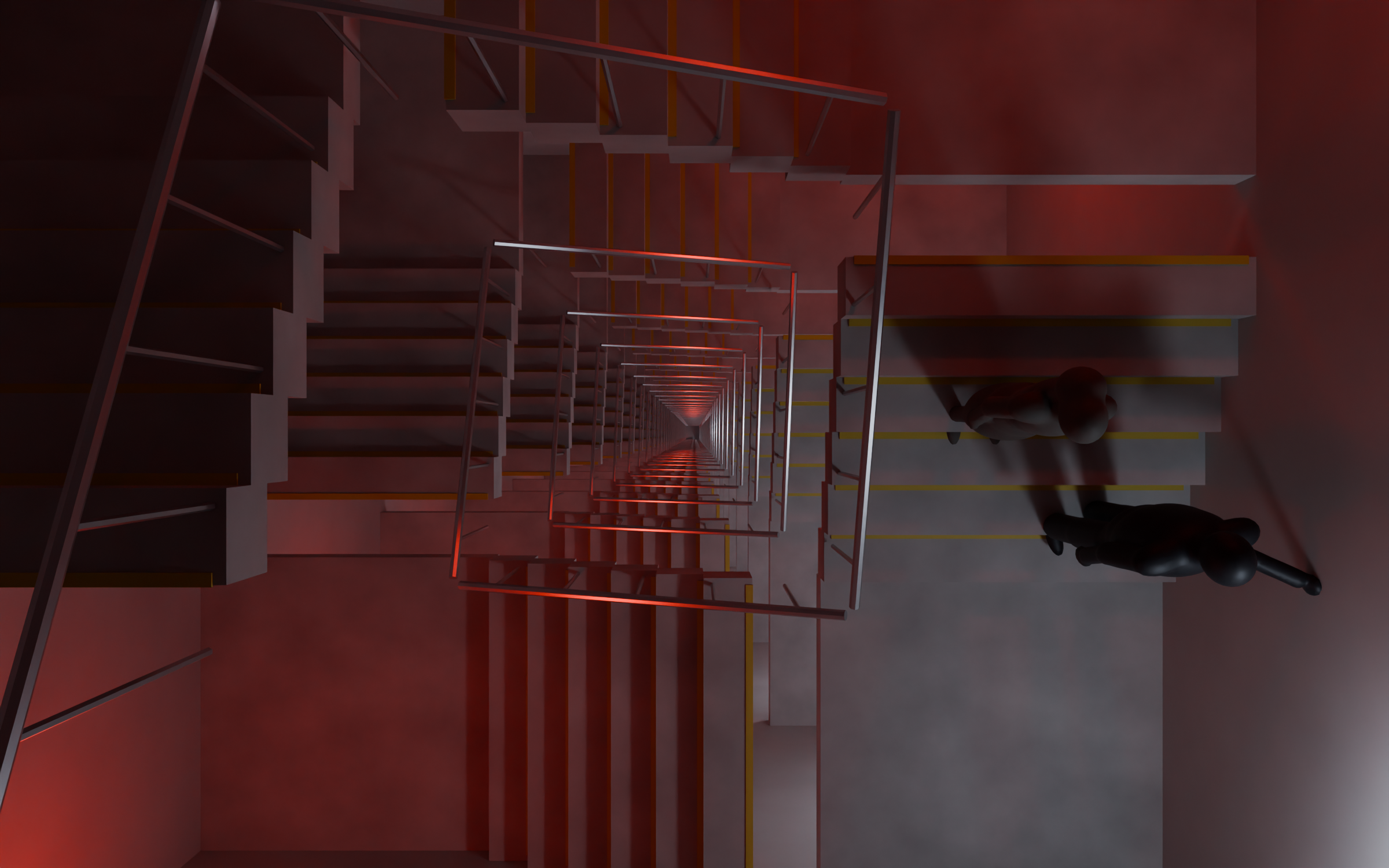
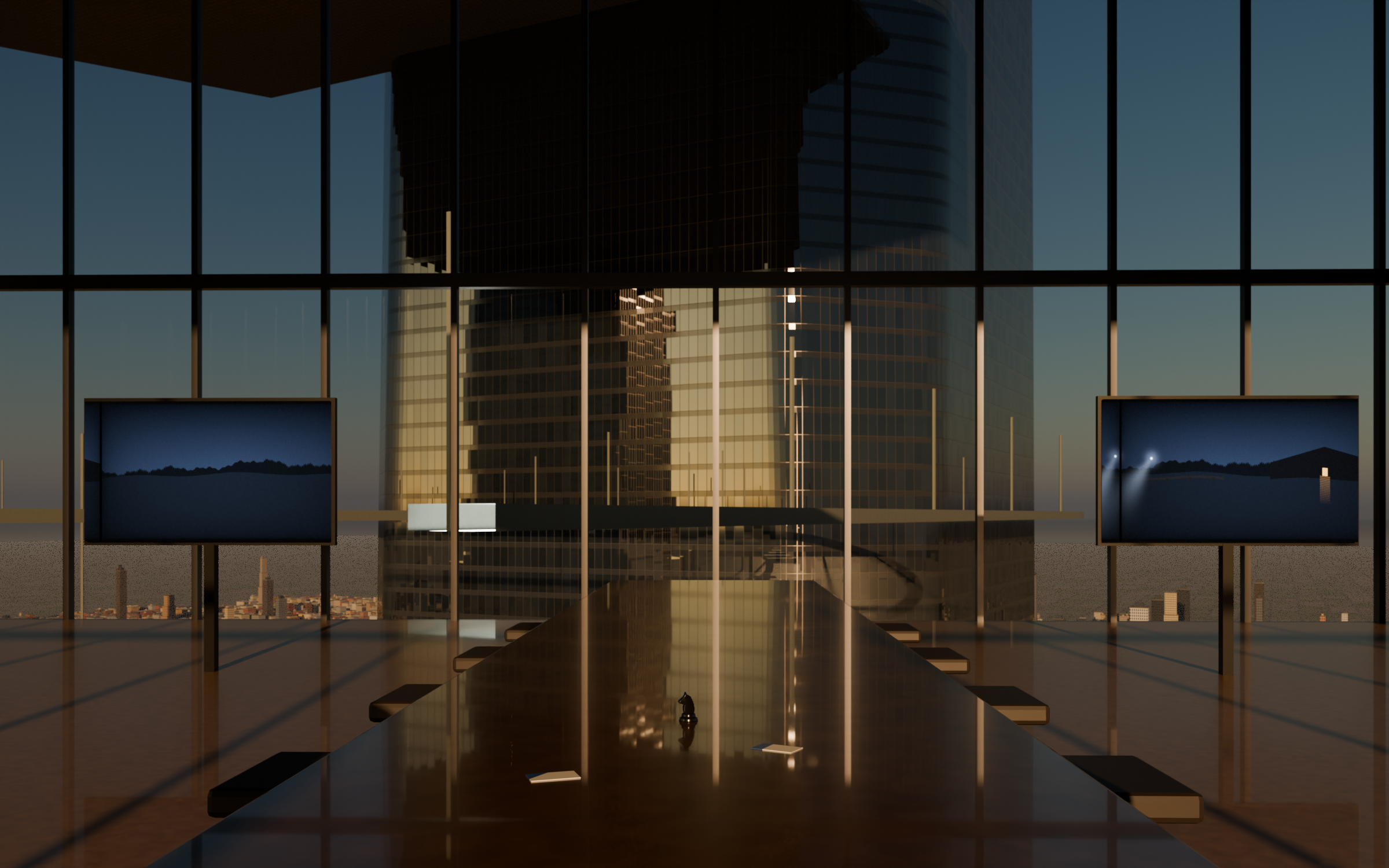

19 — Opening Scene: "The Last Light"
- When: Year 0, the last evening of August. Ari is five. Declan is sixteen. Julian Vail is six.
- Where: the beach at Porto Santa Margherita, on the Adriatic by Caorle, about an hour east of Venice.
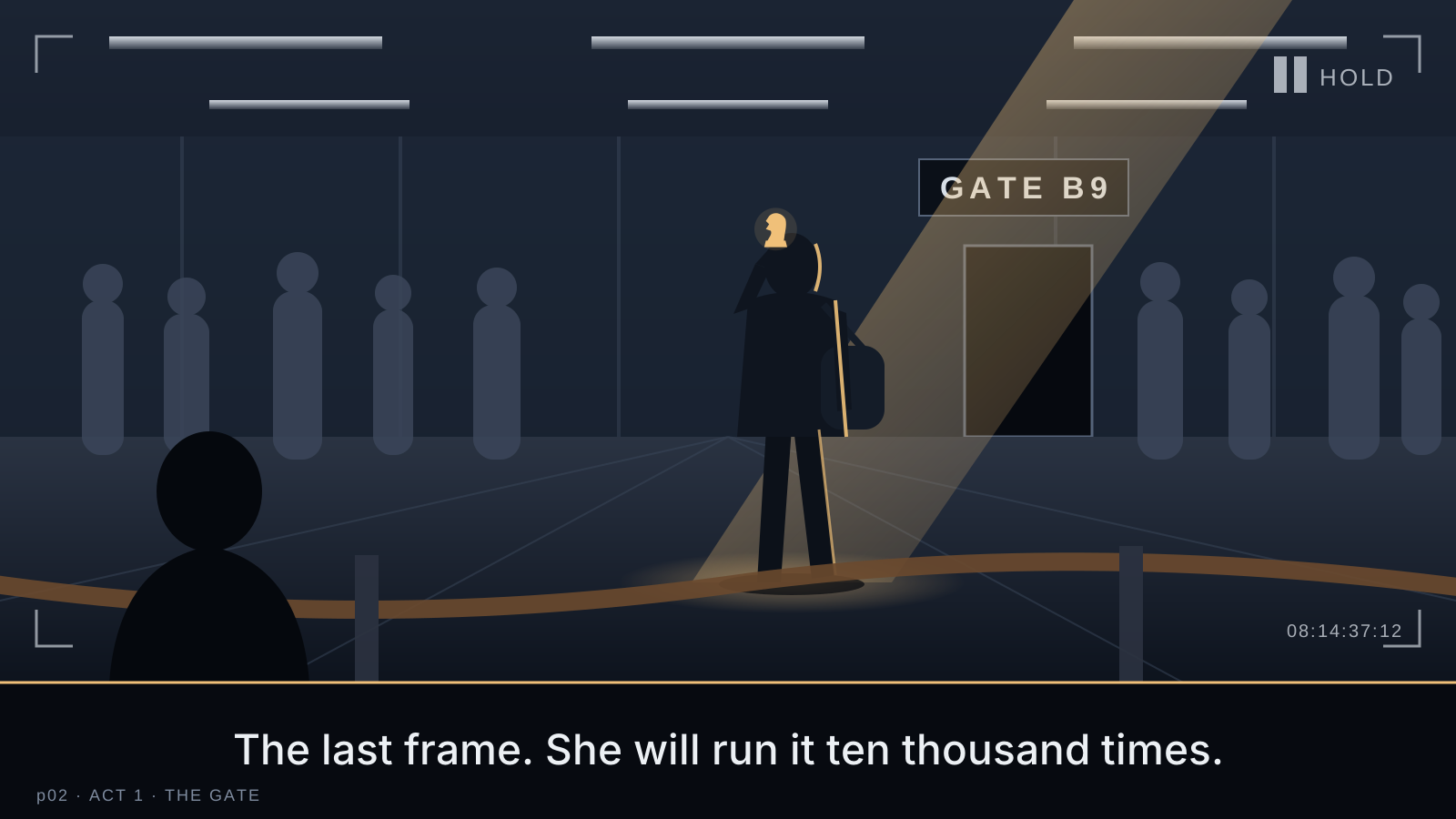
- Purpose: the first page of the book. The summer at its best, a few hours before it ends. Tomorrow they drive to Milan and Declan flies back to the Academy. Six weeks later comes Headmaster's Homecoming. She will replay this evening for twenty-eight years.
- What this scene plants:
- Her humor, already quick, dry and wicked at five, and already part of how she watches.
- The father's absence: the promised weekend, the empty chair, the voice on a hotel phone. The one face she never gets to read.
- The Vails: Conrad, who came when Patrick didn't and sits in his chair; Eleanor; Sterling, eighteen, the boy Declan wants to impress; and Julian, six, the only person on the beach who wants nothing from her.
- The invitation: the cream envelope from the lake is now the party's invitation, and the dare.
The Last Light
The sun went down behind them, which Ari thought was wrong.
At home in Boston the sun went down over the water. Here it went down over the land, behind the pine trees and the pink hotels, and the sea in front of them turned the color of the inside of a shell. Declan said that was because they were on the wrong side of the world. Ari said it was because the Adriatic faced east, and also because he hadn't paid attention in geography, and also because he was a boy. He looked at her for a second the way grown-ups did, then laughed and pushed her hat down over her eyes.
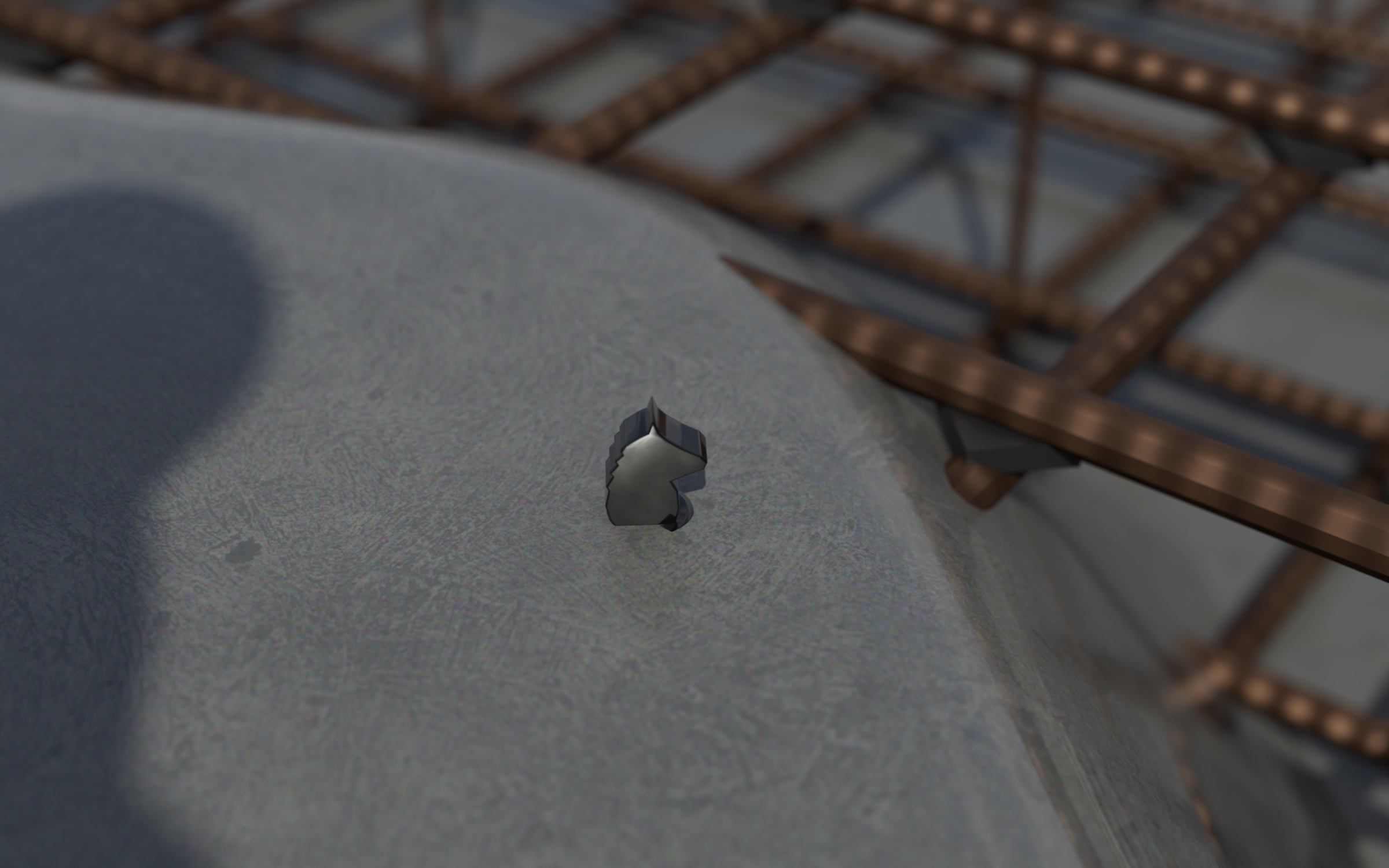
They had the chessboard in the sand between them. It was a cheap folding board from the tabacchi shop by the marina, and the black king had a chip in his crown. Declan had bought it on their first day, two weeks ago, and taught her the moves on a towel while their mother slept under the umbrella. By the third day Ari had stopped losing. By the fifth, he had stopped letting her win, and she had noticed, and liked him better for it.
"Your move, kid," he said.
"I know."
"You've known for four minutes."
"I'm letting you enjoy your last four minutes," she said. "It's called manners."
He snorted. Then she said, "Also I'm not thinking about the board. I'm thinking about you."
He made a face, the one that meant don't do the thing. But he didn't look away, and that was how she knew he wanted her to.
What she saw
Ari did not have a word for what she did. She only knew that other people didn't do it.
She looked at a person and they came apart into pieces, like a clock with the back off, and she could see which pieces were moving. It wasn't magic. It was just there, the way color was there. And most of the time, once she could see the pieces, they were funny. People were very serious about things that were obviously going to go wrong.
The waiter at the beach bar, Paolo, was in love with the girl who rented out the pedal boats. He always wiped the same spot on the counter when she walked past. That spot was the cleanest thing in Italy. The German couple two umbrellas down had decided not to divorce this summer, and next summer they would. The man swore at the newspaper; the woman had already stopped hearing him. The lifeguard was counting the minutes until his shift ended and checking a phone that never rang.
"The lifeguard's girlfriend isn't going to call," Ari said.
"How do you know he has a girlfriend?"
"I said she isn't going to call. I didn't say he has one."
Declan laughed so suddenly he had to put his face in his towel.
Their mother, Cate, sat under the blue umbrella with a book open on her knees and an Aperol spritz sweating in the sand. She had read the same page since four o'clock. Beside her, under a striped umbrella of her own, sat Aunt Eleanor, who was not really their aunt, in a white linen dress that had somehow never met sand. Eleanor Vail had planned every dinner of the last three days, remembered every waiter's name, and once, when Cate's eyes went wet for no reason at lunch, put a hand on her wrist without stopping her sentence. Ari liked her. She was the only grown-up who looked at Ari as if Ari were also in the room.
Every few minutes their mother's eyes went to the boardwalk, toward the hotel and the telephones. Then they came back to her children, and she smiled, and the smile was real. It was just tired.
The chair
Their father had promised to come for the last weekend. He had promised on the phone from Washington, in his Senate voice, the one that sounded like a speech even when he was saying good night. There had been a vote. There was always a vote. His chair at dinner had been empty all fourteen nights, and every night the hotel set a place for him anyway, and every night a waiter took it away.
"They should give his chair to someone who eats," Ari had said on the sixth night, and their mother had laughed into her napkin and then looked as if she might cry, and Ari had learned that some jokes cost more than others.
The Vails had come instead. Uncle Conrad had flown in from Boston three days ago with Eleanor and the boys, because, he said, somebody from that Stanford dormitory had to keep his word. He was Declan's godfather and her father's best friend, and he looked it: big and easy, with a laugh you could hear from the water. He had brought Ari a Red Sox cap two sizes too large and Declan a fountain pen "for signing your first big mistake." When the hotel phone rang at lunch, it was always Conrad who took it, and through the window she would watch him cradle it against his shoulder and laugh, and say Paddy, you bastard, and look out at the sea as if her father were standing in it.
Ari read Conrad the way she read everyone. There was nothing wrong in him. He loved her father, plainly, the way you love a brother. He loved Declan. He was sorry for Cate. All of it was on his face, in the open, where Ari could see it. She filed him under family, and closed the drawer.
Her father she could not read at all. Not because his face was hard. Because it was never there.
She had read it once. Ten days ago, in a café in Milan, she had seen one look cross his face when a woman with a little girl walked past the window, and in that one look she had seen everything. She had taken what she knew and folded it very small and put it somewhere inside her where no one would ever find it. She was five. She already understood that some things, once said, cannot be put back.
After that he was never in one place long enough to read again. A voice on a hotel phone. A chair. A promise.
So she did not think about her father. She thought about her brother.
The boys
Down by the water, Julian Vail was building a wall against the sea.
He was six, all elbows, with the Vail jaw that was going to be a problem for someone later. He had been building the wall since four o'clock with a plastic spade and enormous seriousness, and every seventh wave knocked it down, and every time he started again without complaint. He had not asked Ari to play with him. He had not asked her for anything. Twice he had walked up the beach to show her a shell, set it down beside the chessboard without a word, and walked back to his wall. She now had two shells. She had not decided what that meant.
Sterling was at the beach bar.
He was eighteen and already looked like a photograph of himself. He was leaning on Paolo's clean spot with two older Italian girls and a bottle that wasn't Coke, and he had not once looked toward the umbrellas. Ari read him easily and found it boring: he wanted everyone to see that he didn't care whether they saw him. That was all. It was the most ordinary thing on the beach.
What was not ordinary was Declan. Every time Sterling laughed at the bar, Declan's eyes went there, and came back, and went there.
Declan
He was brown from the sun, taller than he had been in June, and his voice had gone deep in the middle of the summer, so that sometimes it cracked and he pretended it hadn't. He had taught her to say grazie mille and un gelato, per favore. He had carried her on his shoulders across the Piazza San Marco while the pigeons rose around them like a gray storm, and on the vaporetto he had told her the lagoon was full of sunken palaces, and she had pretended to believe him because he liked telling it.
She read him the way she read everyone. With him, she liked what she found.
Most of it was simple. He was happy. He was sad the summer was ending. He would miss her, and he was embarrassed about how much.
But there was one piece that was moving wrong.
It had started at the lake. Ari remembered the afternoon exactly. She remembered everything exactly. Declan on the stone steps at Lake Como, talking to a tall Italian boy with good shoes and a careful smile. Lorenzo, his name was; he was going to the Academy in the fall. The boy had handed him something flat and cream-colored. Declan had put it inside his shirt, and when he came back to her his face was bright and closed at the same time, like a door with a light behind it.
Since then, when he thought nobody was watching, he touched his chest where the envelope had been. He was doing it now. One finger, over the heart, quick as a fly landing.
"What's in the letter?" she said.
His hand dropped. "What letter?"
"The one you keep touching. You're not subtle. The lifeguard's noticed, and he's not even noticing his own girlfriend."
For a second he looked almost scared of her. Then he grinned, and the grin covered it, the way sand covers a footprint.
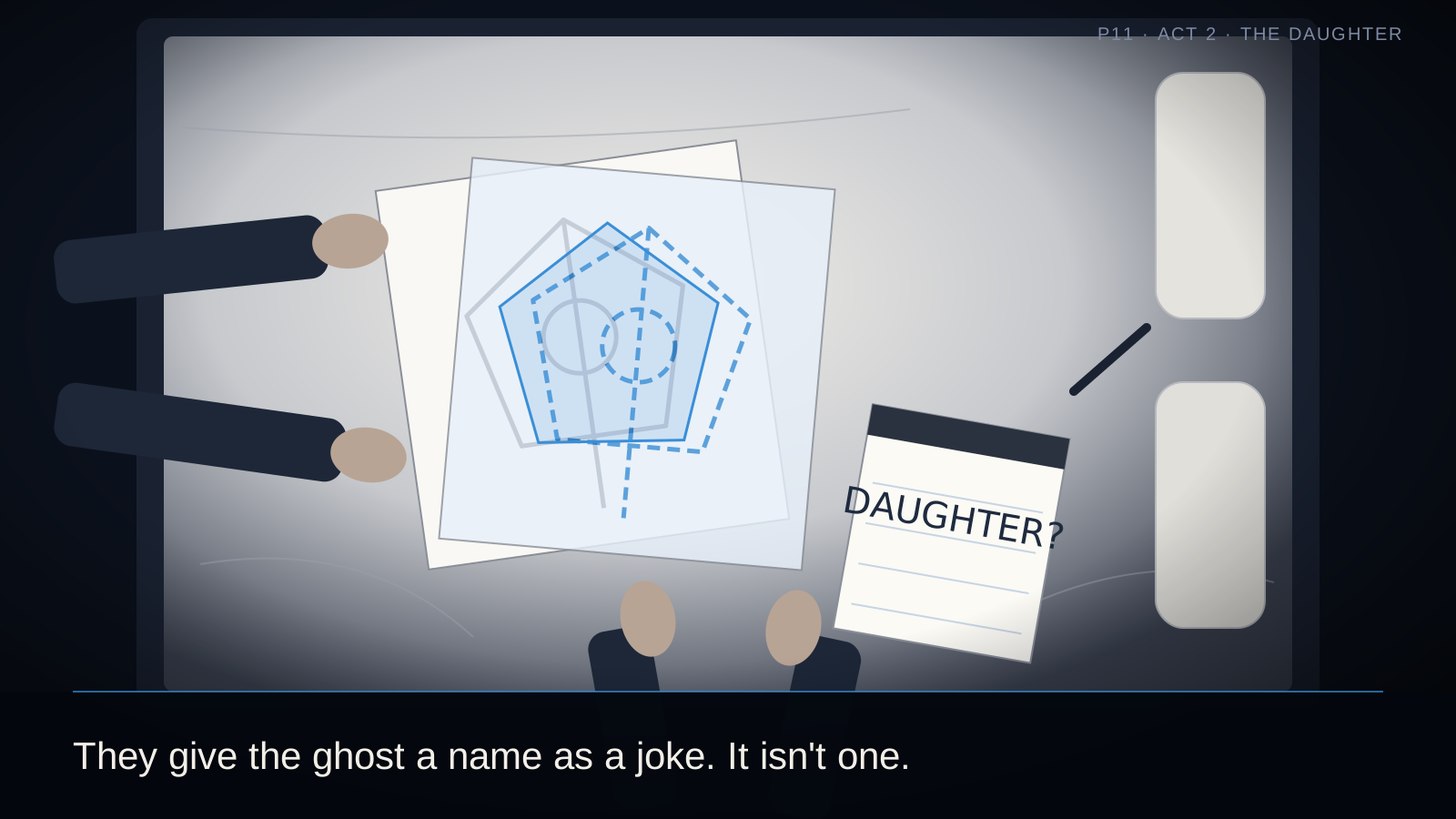
"It's a party," he said. "At school. Homecoming weekend, when all the parents come up for the big dinner. The older guys throw their own, somewhere they're not supposed to. You have to be asked." He glanced at the bar. "It's kind of a big deal to get asked."
"What do you do at it?"
"There's a thing you do. A dare. If you do it, you're in." He shrugged. "Nobody tells you what it is. That's the point."
Ari looked at him. She looked at the place on his chest. She looked at the way his foot was pushing a little trench into the sand, back and forth.
"You're not sure you want to," she said.
He was quiet for a long time. Out on the water a sailboat leaned into the wind and the shell color slid toward violet. At the bar, Sterling laughed again.
"I'm sure," he said finally. "It's just new. New stuff feels like that."
It was the first time Declan lied to her and she let him. She did not know yet that it would be the last thing he ever lied to her about. She only felt it go into her, cold and small, like a stone dropped down a well.
She moved her knight.
The game
"Oh, come on," Declan said.
"Check."
"That's not even a real move."
"It's an L. It's a real move. Look it up. Oh, wait."
He studied the board with his chin on his fist, the way their grandfather studied a bill in the Senate. He moved his bishop to block. She took the bishop with her queen. He put his hands on his head.
"How are you five?"
"I'm five and a half."
"Nobody's five and a half after five."
"I am. I'm very advanced. Ask anyone. Ask the lifeguard."
He laughed so loud the German woman looked over. Down at the water, Julian looked up from his wall to see what was funny, decided it was Ari, and went back to work smiling. Ari laughed too, because Declan's laugh always made her, and because the sun was gone now and the sky over the sea was lilac and gold, and the first lights were coming on along the breakwater toward Caorle, and it was the most beautiful thing she had ever seen.
She knew it was the most beautiful thing she had ever seen. That was the strange part. Most people only know afterward. Ari knew while it was happening. She looked at the sky, the chipped king, her brother's peeling nose, their mother's hand lifting from the umbrella in a lazy wave, Eleanor's white dress, the small boy at the edge of the sea patting his wall flat with the back of the spade, and she pressed it all into her memory on purpose, hard, like a coin into wax.
She didn't know why. Some piece in her had already moved.
Uncle Conrad came down the sand with Eleanor's camera. "Look at you two," he said, and took the picture before either of them could look up.
"Checkmate in three," she said.
"No way."
"Way."
He looked at the board for a long time. He saw it; she watched him see it. He did not tip his king. He lay back in the sand with his arms spread out like he'd been shot.
"Not tonight," he said to the sky. "We finish at Thanksgiving. I need three months to think. I'm going to tell everyone at school my little sister had me in three at the beach in Italy. They'll never believe it."
"Tell them anyway. Tell them I was gentle."
"I will." He turned his head and looked at her. "Hey. Ari."
"What."
"Thanksgiving. Same position. Nobody touches it."
She read him. He meant it, all the way down. There was nothing moving wrong in that one at all.
"Promise," she said.
"Promise."
A shadow fell across the board. Julian stood there with sand to his knees, holding out a third shell, pink inside, the best one yet.
"Can I play the winner?" he said.
Ari looked at Declan, flat on his back in the sand. "You can play the loser," she said. "He's available."
Julian considered this with great seriousness. Then he sat down on Declan's stomach, and Declan howled, and Ari laughed until she had to lie down too, the three of them in the sand under the violet sky, and the third shell went into her pocket with the other two.
Dark
Their mother called them in for dinner. Declan folded the board mid-game, carefully, and put the pieces in the little wooden box and gave the box to Ari to carry, because she always carried it. She didn't need the board. She had the position already, and she would have it for the rest of her life. She walked behind him up the boardwalk in the blue dark, the box rattling, the shells clicking in her pocket, her bare feet cold on the planks, watching his shoulders and the way his hand, one more time, touched his chest. Sterling came up from the bar and fell in beside him and bumped him with a shoulder, and Declan stood a little straighter, and didn't look back.
At the hotel the phone was ringing. Conrad took it at the desk, laughed, and called across the lobby, "Your father says he's sorry, kiddo. Next year. He swears on the Constitution."
"Tell him the Constitution's heard that before," Ari said, and Conrad roared, and said it into the phone word for word, and she heard her father laugh, small and far away, from Washington.
That was the last time that summer she heard his voice. She did not see his face at all.
In the dining room a place was set for their father. Nobody took it away that night. Uncle Conrad sat in it.
Tomorrow was the drive to Milan. The day after was the airport.
Ari slept that night with the chess box under her pillow and three shells on the nightstand, and in the morning the summer was over, and nothing in the world would ever again be as simple as that beach.