








22 — The Love Story (main storyline)
- Every person here is fictional. The Academy, Headmaster's Homecoming, the Crossing, the Vails and the Maine house are invented. The cover-up in Year 27 is told at story level only: what she decides and what it costs, never a method.
1. The chapter in one breath
Her whole life is one question: who? She answers every other question in the world on the way to it. Then the boy from every Christmas Eve, her father's best friend's younger son, becomes the one person she never calculates. They marry. They have two children. For nine years she is happy, and funny for no reason at all.
Then the search lands, and it lands at her own dinner table. His brother held Declan under. His father ran the night. His mother carried the clothes away. When they learn she knows, they plan her accident. Julian kills his father, his mother and his brother to save her and the children. Before sunrise she buries it, exactly the way they buried Declan, using the story they wrote for her.
Nobody ever catches her. The marriage survives. The happiness doesn't. That's what was fleeting all along.
2. Julian Vail (working)
- Who: Conrad and Eleanor Vail's younger son. One year older than Ari (Julian's age = Year + 6).
- The night: six years old, asleep at the inn with a sitter while the gala danced and his brother ran the Crossing. He never knew. The only Vail with clean hands, because he was too small to have any.
- Patrick is his godfather. Conrad is Declan's. The two families swapped sons at the font, which is the whole book in one line.
- What he's like:
- Kind without strategy. Funny without needing the laugh.
- Bad at chess, good at losing, and the only person who has ever made losing to Ari look like fun.
- Reads everything, remembers nothing, and doesn't mind. She remembers everything and minds all of it.
- Wants nothing from her. Not access, not her father, not the story. That is the whole spell.
- Why she can't read him as a threat: because he isn't one. She reads what people hide. Julian hides nothing, so to her he's a clear window with a view she never thought to look through: his family behind him.
3. Two families, one porch (Years −6 to 16)
Before the night
- Stanford built it. Patrick Halloran and Conrad Vail met as freshmen at 18 and never really stopped being 18 together. Best man at each other's weddings. Godfathers to each other's boys.
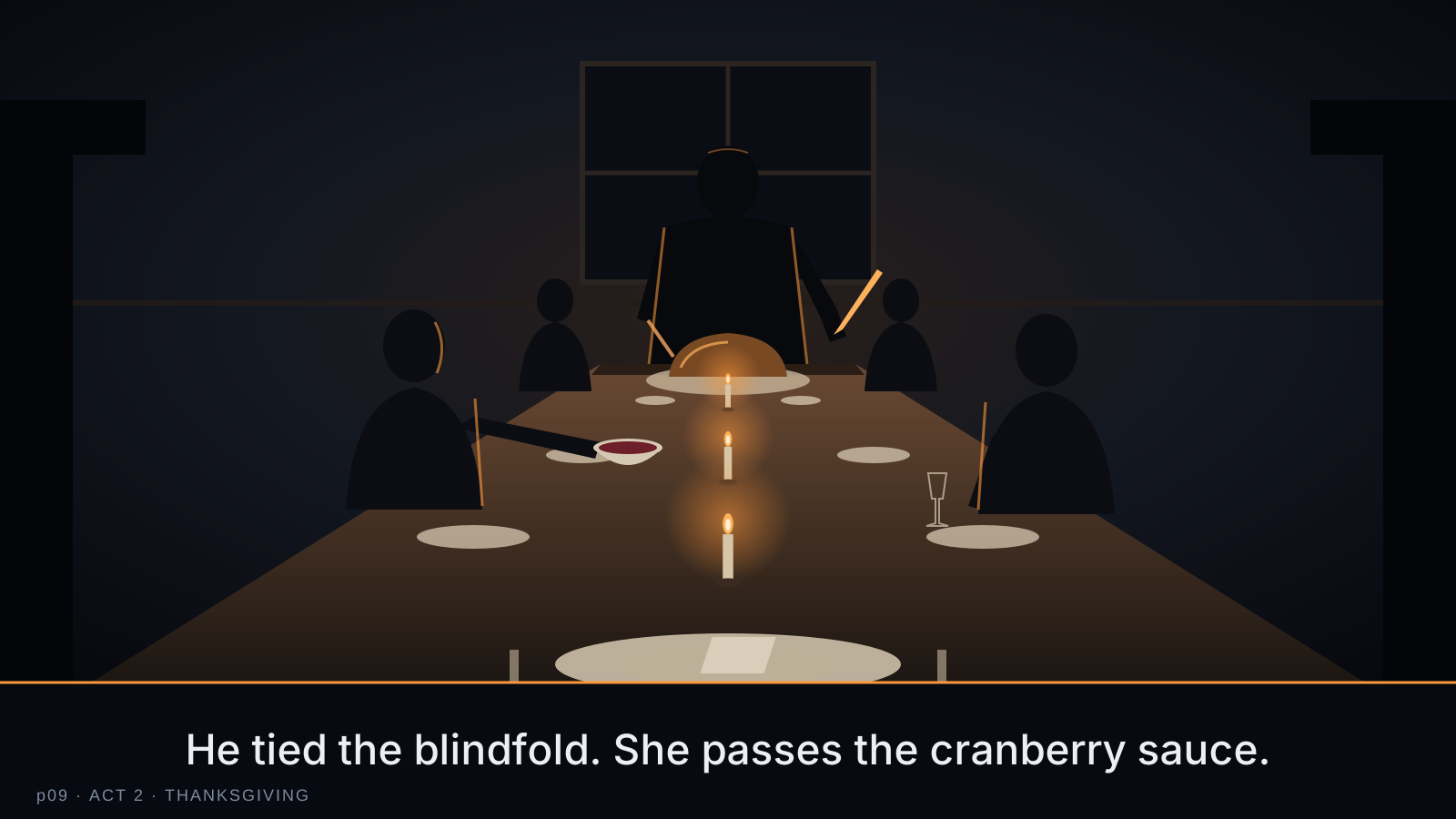
- Every holiday is joint. Christmas Eve at the Vails' Beacon Hill house. Thanksgiving at the Hallorans'. July at the Vail summer house on the Maine coast, where the Hallorans have their own room, with their own towels, which is how you know it's family.
- The kids' table: Sterling too old for it, Declan presiding, Ari and Julian under it.
The funeral (Year 0)
- Ari is five. She walks the line of mourners and reads guilt on face after face, and keeps every one.
- The Vails' grief is real. Conrad weeps at the grave of his godson. Eleanor holds Cate up by the elbow through the whole service, and holds Ari's hand at the grave. Real grief is the one thing that hides guilt from her. She files them under family and never reopens the file.
- Julian, six, finds her on the back stairs at the reception. Nobody else is looking at the children. He has a roll of butterscotch in his blazer pocket. He doesn't say anything. He just sits one step above her and hands her the pieces one at a time, and keeps the broken ones for himself.
- She reads him, the way she reads everyone now. There's nothing there to read but a six-year-old who's sad and thinks butterscotch helps. It's the first face since the phone call that doesn't hurt to look at.
Growing up across both houses
- Year 2: she makes Julian laugh at Christmas Eve, the first laugh she's caused since Declan. It's a joke about the Vails' butler's eyebrows. She is seven. The timing is already perfect.
- The Maine summers: chess on the porch with the cheap plastic set she won't explain. Julian loses every game for ten years and keeps asking for another. He's the only one who ever asks.
- Montclair, MIT, Oxford (Years 7–14): she's gone; he writes actual letters, badly spelled, about nothing. She keeps every one. She tells herself it's because she forgets nothing. It isn't.
- The quiet thing she does for him (Year 9, she's 14): a boy at his school is making Julian's life hard. The boy's father's business develops a sudden, unrelated problem; the family moves to Phoenix. Julian thinks he got lucky. It's the first time she uses her reach for love rather than the list. She notices, and doesn't like how good it feels.
- Year 14, Oxford: her list stands at 18 names and four blanks. Conrad Vail is not on it. Eleanor is not on it. Sterling, who as far as the inn's guest list knows never came home from Geneva that weekend, is not on it. She has walked past the answer at every Christmas Eve for fourteen years.
4. How love grows in someone who trusts nothing (Years 15–18)
Her rule
- She falls fast because she sees people completely. She never lets it last, because being known is the one exposure she can't survive. The moment someone gets close, she seals the crack: a gentle exit, a reason they'll believe forever. Inès Valmont was the first. There have been others.
Why Julian gets through
- He doesn't try to know her. Everyone else who got close was trying to solve her. Julian just likes her. You can't seal a crack nobody is prying at.
- He's family. Loving him doesn't feel like opening a door to a stranger. It feels like a room in a house she already lives in. That's exactly the trap.
- He laughs at the jokes she doesn't make for anyone else. Her humor is a tool everywhere in her life: the opener, the deflection, the diagnostic, the cover. With Julian it's none of those. It's just funny. He is the only audience she isn't working.
- She runs the numbers on him and they come back boring. No angle, no debt, no secret family in Milan. For a person who has never once been surprised by a human being, boring is the most erotic thing in the world.
What she keeps from him, from day one
- SUDDENDEATH (coming), the list, the tower, the tape on Brannock, the 475. He gets the real her and none of her work. She thinks of it as two rooms in her head with a door she keeps shut.
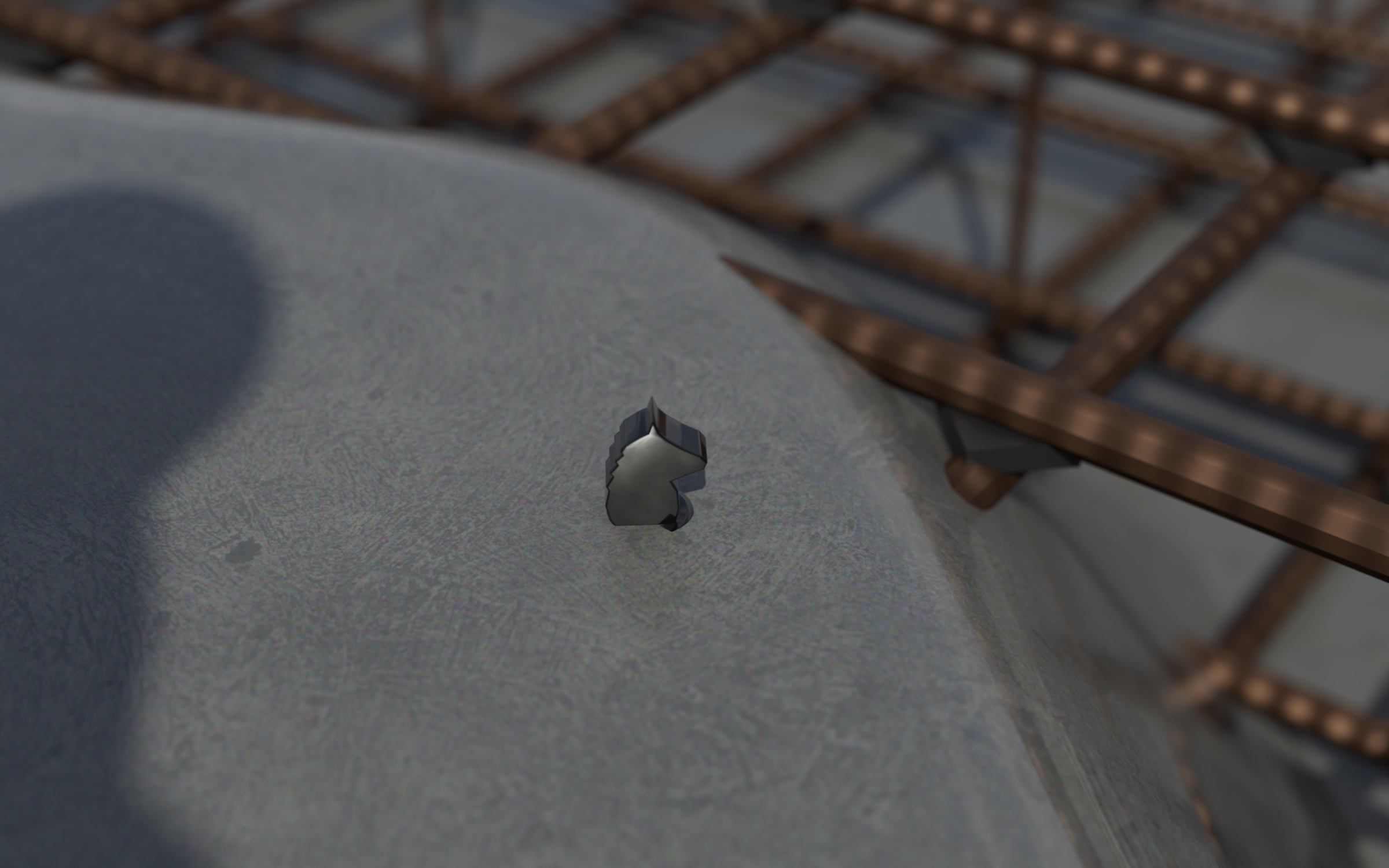
- She does tell him one thing: what the plastic chess knight is. He's the only person alive who knows. He never once mentions it again, which is how she knows she chose right.
Year 17 (she's 22): it turns
- Harvard. He's in Cambridge finishing his teaching degree; she's at the Law School playing ordinary. The boy from every Christmas Eve walks into a seminar room and is suddenly a man she hasn't read yet. (See Scene 2.)
- For the first time in her life she doesn't seal the crack. She lets it stay open and waits to see what comes through. What comes through is him.
Year 18: the porch
- Her father launches his run for President. Julian proposes on the porch of the Maine house, in July, both families inside pretending not to watch.
- "I had a speech." / "I know. You've been mouthing it at the soup for an hour." / "Is that a yes?" / "It was a yes at the bread."
- Patrick's one question. That night he takes her aside on the same porch, the only personal question he ever asks her: "Are you sure? About this family?" She thinks it's a father being a father, late. "Dad, you put us at the same kids' table. I was one." He nods and never asks again. (The reader will remember this at the Tower.)
5. Marriage and the nine years (Years 19–26)
The wedding (Year 19)
- At the Vail summer house, mid-campaign, Secret Service on the dunes. Matt Reyes, former Marine sergeant, joins her detail that spring and spends the reception looking at exits instead of cameras. She likes him at once.
- Sterling is Julian's best man. He gives her a long hug and an expensive present. She reads him as a man who hugs to stop you looking at his face, and files it under rich.
- Conrad gives the toast. It's a good toast. It's warm and funny and ends on Declan: "There's someone missing tonight who'd have been the loudest person here." The tent goes quiet. Ari laughs through tears and squeezes Julian's hand. She reads Conrad's breaking voice as love. It is love. It's also the other thing.
- Cate's happiest day since Year 0. "Eleanor and I always said." Ari lets her have it, and later has to keep letting her have it.
The children
- Maeve, born Year 21. Sharp-eyed, watchful, funny early. Ari sees herself in her and is afraid of it. She makes very sure Maeve is allowed to be seen.
- Declan "Dec", born Year 23. Named for her brother. At the christening Conrad holds him and has to say the name aloud. His voice catches. She notices, and reads it as love.
What the happiness looks like (write this warm; this is what she loses)
- Loud breakfasts. A house that is the opposite of every white, empty apartment she ever lived in: drawings on every wall, Julian's books in towers, a dog that belongs to no one in particular.
- Terrible reality TV, narrated. She and Julian do the voices. It's the funniest thing either of them does all week.
- Julian asleep on the couch with both children asleep on him like coats on a chair.
- Sunday dinners at the Vails'. Conrad carves. Eleanor teaches Maeve to set a table, fork on the left, the knife blade facing the plate "so it doesn't look at anyone."
- Maine every July. Julian teaching Dec to lose at chess gracefully.
- She replays Declan less. Some weeks she forgets to. She almost stops counting.
Meanwhile, the work
- Year 20: SUDDENDEATH stands up through Brannock, on her word. Year 21: groundbreaking on the three towers, Conrad's trust holding the land. Years 23–24: Kerrigan and Rees each get close and are steered off.
- She keeps the two lives in separate rooms of her head, and for nine years she's good at it. The search doesn't stop. It just stops hurting.
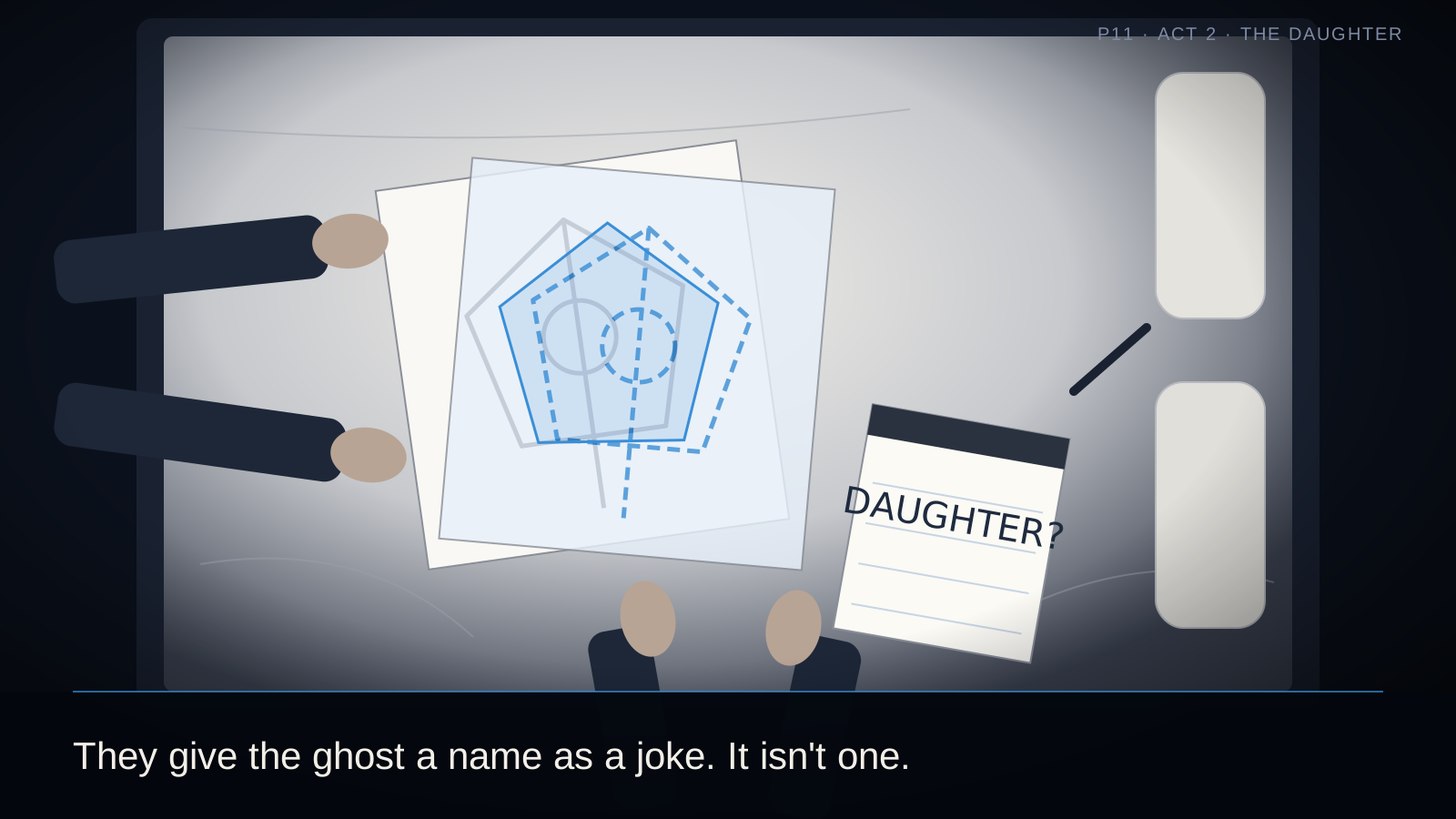
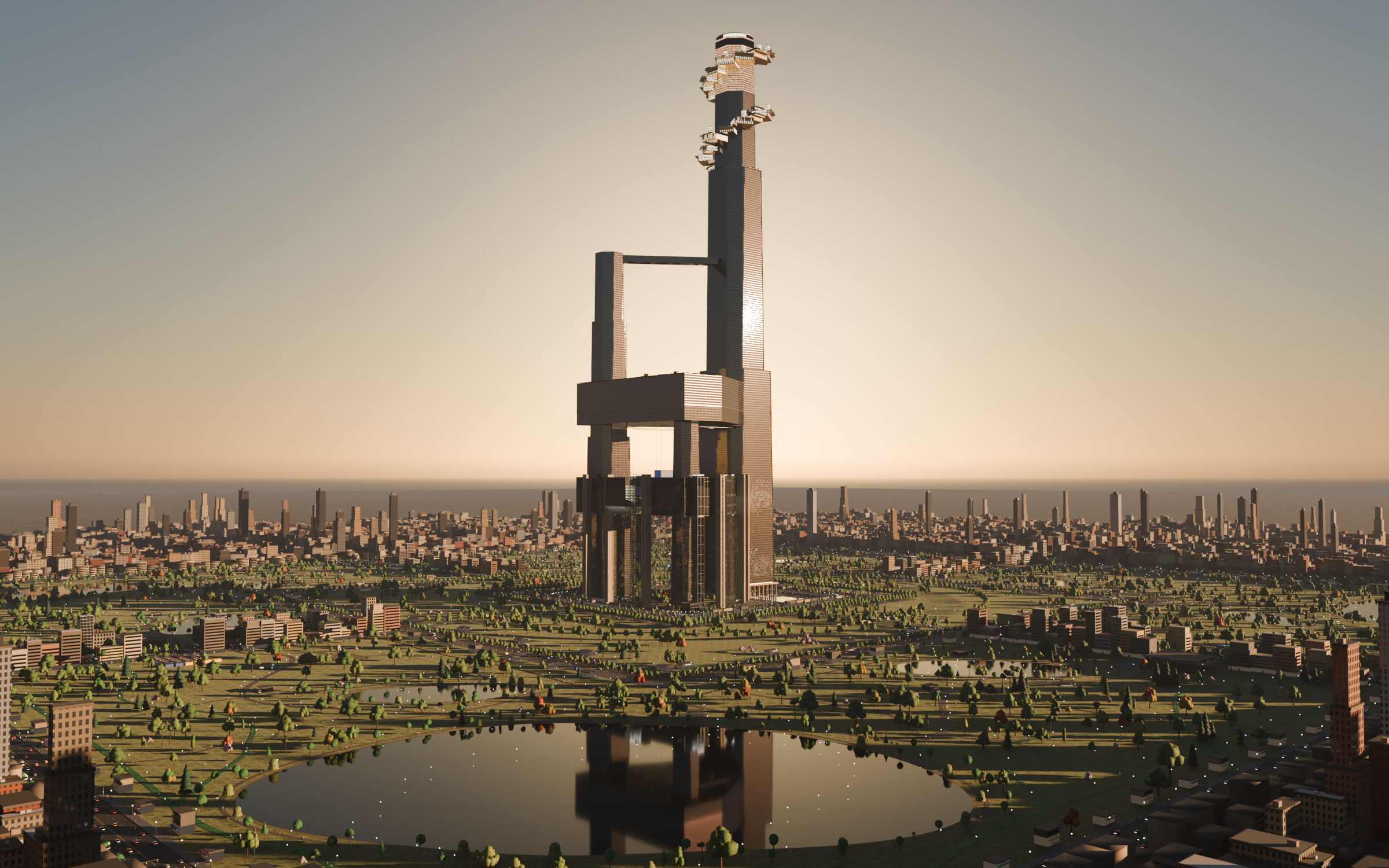
- The penthouse joke, unnoticed. She ranked the 18 names she had onto floors 229–246 and left the top four open for the names she didn't have. Conrad asks for them as part payment: three for his family, one "for my oldest friend." She thinks it's vanity. It's the guilty choosing their own floors.
6. The night the search lands (Year 26, autumn)
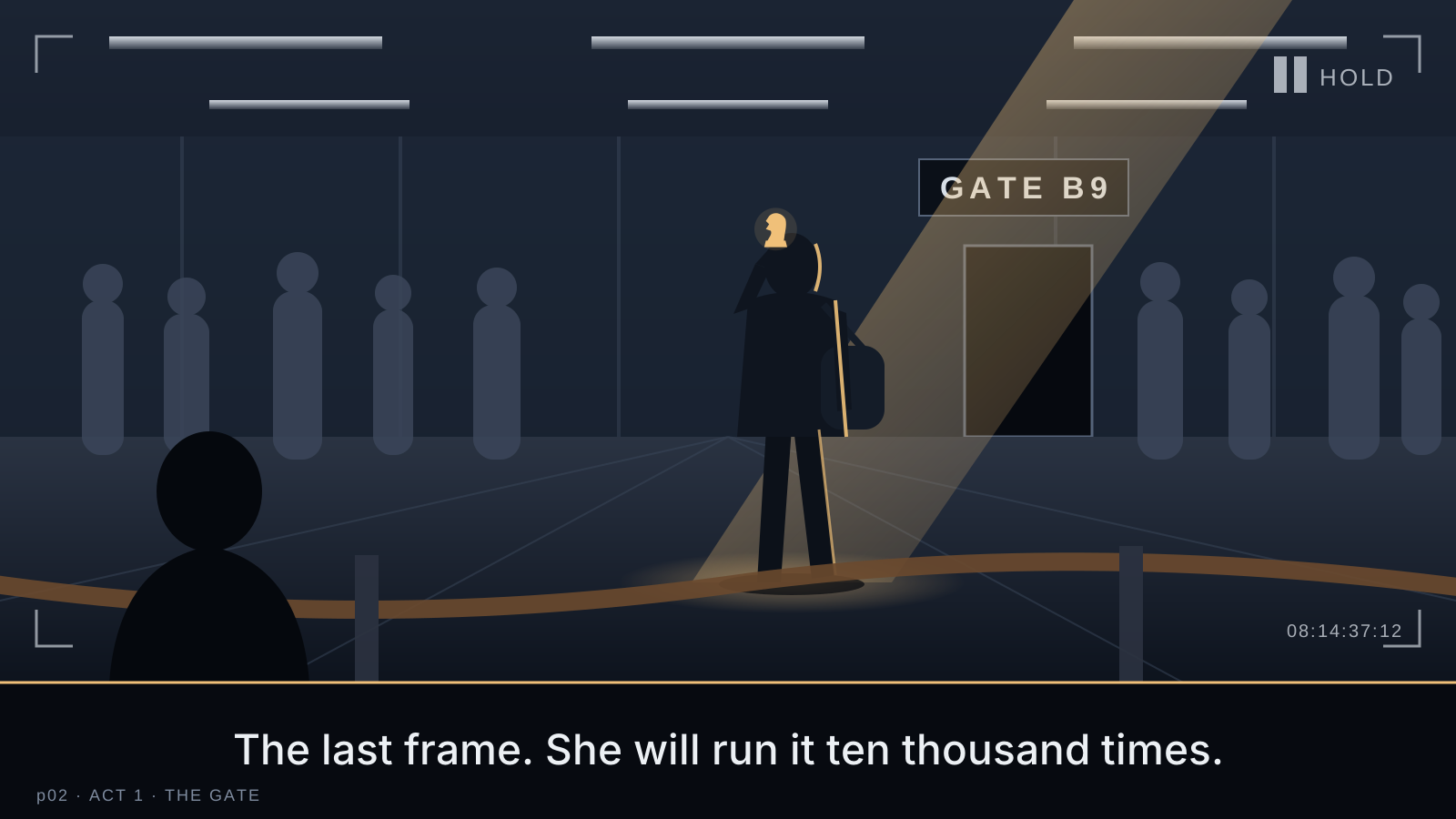
- When: the week the tallest tower tops out. The highest steel of her life goes up on a Tuesday. On the Thursday she flies to Zurich for a two-day "conference."
- Where: a windowless room in a Zurich vault, Thursday night. The oldest copy of Prescott Vane's offline film. She watches it once. She copies nothing. She doesn't need to.
- What she sees, in the order she sees it:
- Declan, sixteen, blindfolded at the edge of the black water.
- The count, and the moment it stops being said aloud.
- Sterling's hands. She knows them. They held Maeve at the christening. They hand out the presents every Christmas.
- Headlights on the boathouse wall. Conrad. She knows those headlights; she's watched them swing up the drive on every Christmas Eve of her life.
- At 1:00, a pale camel coat passing the boathouse doors with a tall boy inside it. Eleanor's coat. The one she wore at the funeral, holding Cate up.
- At 1:15, the kids filing out. The film ends.
- The night she gets home: after midnight on the Friday she lets herself into the married house. The children asleep. Julian asleep on the couch in front of a paused dating show, mid-sentence of one of his voices. She turns off the TV, puts a blanket over her husband, and goes upstairs and stands in the doorway of Dec's room until the sky goes gray. He has Declan's name and Conrad's chin.
- The happiness ended in the vault; she carries the end home. Not the marriage. The happiness.
- The joke that's on her. The four open floors, the man who asked for them, "for my oldest friend." For the first time in her life, she's the last person in the room to get it.
- What she doesn't see yet: who Conrad called at 1:41. The film only shows the boathouse, and it ends at 1:15. The 22nd blank stays blank. That night she sets the last search running.
The year of Sunday dinners (Year 26 to 27)
- She keeps going. Every Sunday. Conrad carves; Eleanor fusses; Sterling drops in with wine that costs more than Julian's car.
- The jokes don't change at all. Only the reason for them. This is the most frightening thing in the book. (See Scene 4.)
- She tells Julian nothing. She tells herself it's to protect him. It's also because she doesn't know which family he'd choose, and she can't stand to compute it.
- She runs the list to its end. Nos. 1, 2 and 15 go on the cards. She starts the long, patient work of making sure every Vail floor ends dark.
7. They learn she knows (Year 27, late summer)
- Conrad decides the story before he decides anything else, the way he did at 12:15 a.m. in Year 0. Sterling wants it fast. Eleanor wants the children kept out of it. Conrad wants it to look like weather.
- Their plan (working, consistent with canon): the family's last weekend in Maine. A late sail. Fog off the point, which comes in every August like a guest. Ari, lost overboard; a terrible accident; a grieving widower with two small children and a family around him. Survivable, Conrad tells himself. What she'd do with the film isn't.
- Eleanor's tell: she offers to keep the children with her that night, "to give you two an evening." She's offered a hundred times. This time she says it with the knife blade facing the plate.
- Default: Sterling, a drink past careful, catches Julian on the dock that evening and tries to bring him in. "It's handled. You'll have the kids. Dad says you'll thank him in a year." Julian doesn't understand. Sterling, irritated, explains. In one conversation Julian learns what happened in the boathouse when he was six, and what's going to happen to his wife tonight.
- Alternate: Conrad tells Julian himself, man to man, as the fixer he is: "You'll be a widower with two children and a family around you. That's survivable. What she'll do to us is not. Choose your blood."
- Either way, Julian goes to his father. He wants it to be a lie. It isn't. Conrad has never been sorry for anything in front of a witness, and doesn't start now.
8. His choice (Year 27, the summer house, about midnight to 1 a.m.)
- Off-page. Non-graphic. Always. We are with Ari upstairs, not with Julian downstairs.
- Ari is in the guest wing with the children, who were not, in the end, handed to their grandmother. The house is quiet in the way old houses are quiet: the sea, the pipes, the flag line ticking on the pole.
- She hears raised voices she's never heard in this house. Then a long silence. Then nothing she can name.
- About 1 a.m. Julian comes up the stairs. He stands in the doorway the way she stood in Dec's doorway a year ago. He says: "Ari. I need you to come downstairs. Don't wake the kids."
- What she finds is told by what's missing: three people who will never again carve, or fuss, or pour, or tell anyone what's true. The prose stays on Julian's face, and on hers. No more than that.
- What he says, the only explanation he ever gives: "They were going to take you out on the boat." Then, after a long time: "They said I'd thank them in a year."
- What she understands in one look, because one look is all she ever needs: he did it for her and for Maeve and Dec. And he did it without knowing anything about Declan except what Sterling told him on the dock an hour ago. He chose her over his own blood, the same night his blood chose its own over hers.
- Classical tragedy, landed: the thing she wanted most, the answer, and the thing she loved most, him, are in the same room, and the room is the Vails' front hall.
9. Before sunrise: the mirror of Headmaster's Homecoming
Story level only. We see what she decides, in what order, and what each decision costs her. We never see how anything is done.
| Year 0 (the boathouse) | Year 27 (the summer house) |
|---|---|
| 12:15 a.m. Conrad reaches the boathouse and decides the story before he decides anything else. | 1:10 a.m. Ari stands in the front hall and decides the story before she decides anything else. She notices she's doing it. She does it anyway. |
| Penhale takes the kids' phones. | She takes her husband's phone, and sits him in the kitchen with his hands around a mug, the way you'd sit a child. |
| Hale pulls the night's logs and walks the fence line with his men. | Matt Reyes is on post at the gatehouse. She doesn't go near him. Before dawn he will see her walk back up from the water, wet to the knees, and ask nothing. The one silence she doesn't engineer. |
| Eleanor takes Sterling out through the inn's kitchen and his clothes are never seen again. | She checks on the children. Asleep. She stands in their doorway exactly as long as she can afford. |
| 1:41 a.m. Conrad calls Patrick: "Help me save the son I still have." Patrick: "Do what you have to." | No one to call. She has spent her life building a machine that could make one call fix anything, and the person she'd have called is herself. |
| 2:30 a.m. Harriet Kessler writes the agreed story and teaches it to thirteen children word for word. | About 3 a.m. She teaches Julian the story, word for word, the same sentence in the same order. She stops mid-sentence. She hears Kessler. Then she finishes it. |
| The story: drunk, slipped on the dock, struck his head, drowned. | The story is the one they wrote for her: a late sail, the fog off the point, three people lost when the boat goes down. She uses their own plan. It fits them perfectly; they tailored it. |
| 4:05 a.m. The second call reaches the Boston house. Cate answers. | Toward dawn, it's her voice that will make the call later that morning. She rehearses grief in the mirror and finds she doesn't need to. |
| 5:30 a.m. Sterling is on a plane to Geneva; his name is gone from the guest list. | Before dawn she walks down to the water. When she walks back up, wet to the knees, the Eleanor, the family's boat, is gone from its mooring. The point is white with fog, as it is every August. |
| Sunrise. Done. | Sunrise. Done. Julian is asleep at the kitchen table. She is not. |
What she realizes, standing on the porch at sunrise
- She is doing for her family what the adults did for theirs. Protecting the living with a dead truth.
- "Power means never facing consequences." That was the lesson the 22 learned at the boathouse. As of this morning, it's true of her. She is the consequence for twenty-two people, and nobody will ever be the consequence for her.
- She doesn't know yet that this is exactly what her father did. One yes, from far away, to save a family. In a year she'll open that file and recognize it from the inside.
Never caught
- The fog story holds. The coast guard search, the ruling, the press: all weather. Nobody looks at a grieving widower with two small children and the President's daughter on his arm and sees anything but grief.
- The machine she built doesn't have to lift a finger. That's the worst part. The world simply believes the Vail family, one last time.
10. Aftermath: what proves fleeting
The public week
- Three Vail flags at half-staff on Beacon Hill. Floors 247, 248 and 249 of the Crown tower will open dark.
- Patrick gives the eulogy for his oldest friend. It's the best speech of his life, because it's true. Ari watches him from the front pew. Halfway through he looks at his son-in-law, then at her, and for one second he begins to wonder why. She sees it. For once she doesn't know what she'll do with something she's seen.
- The memorial reception. Someone says something absurd about yachting, and she hears herself make the perfect dry remark, and the room laughs, grateful, glad to be let off. She can still do it. That scares her more than the night did.
The marriage, after
- It survives. It changes shape. She and Julian are now held together by a secret, the way Brannock is held to her by a tape. She notices the resemblance and hates it.
- He never asks what she did that night, or how she knew how to do it. She never tells him about Declan, the list, the tower or the machine. He saved her life without knowing the half of who she is. Some nights that feels like love. Some nights it feels like the tape.
- The jokes go quiet. The TV narration stops; neither of them notices for a month. Then one night Julian does one of the voices, badly, on purpose, and she laughs, and they both look at each other like people who heard a noise downstairs.
- Julian, after: a good father with that night inside him. Some days he can carry it. Some days Ari carries both of them. He teaches history and finds he can't teach the unit on the Romans anymore.
The children
- Maeve and Dec will grow up believing their grandparents and uncle drowned in fog. The adults "protected" the kids in Year 0 with a story; she is protecting hers with one. She hears the irony and can do nothing with it.
- Maeve, six, asks why Grandma's boat didn't have lights. Ari answers perfectly. She is very good at answering perfectly. That is the problem.
What was fleeting
- Not love. She loves him after the summer house. He loves her. That's what makes it tragic instead of just sad.
- The happiness. Nine years of it, Year 17 to Year 26, ended the night in Zurich. Year 27 only proved it couldn't be got back.
Into the Tower (Year 28)
- On opening day, with every living name in the building and three floors dark above her, she opens the last file: a carrier-log line, one call, 1:41 a.m., the Vail phone to Patrick's Washington line, 4 min 12 s. No. 22. Her father.
- She isn't only betrayed. She's convicted. She made the same call at the summer house, in her own voice, with no one to dial. That's why "One forty-one, Dad" lands so hard: she knows exactly what it costs to say yes, because she paid it.
- The Stanford bond closes: he didn't do it for a stranger's son. He did it for Conrad's, for the family she married into, for the children of the man whose hands are in the film. Her father's best friend's family was the answer, and her father was the one who helped bury it.
11. Scene sketches (her humor; write the marriage funny)
Scene 1 — The kids' table (Year 4, Christmas Eve, Beacon Hill)
Ari is 9, Julian 10. Two years after she first made him laugh.
The adults are in the drawing room toasting something with Senate in it. Under the long table, Ari is teaching Julian to play chess on a napkin with salt and pepper.
"The pepper is the queen," she says.
"Why is the pepper the queen?"
"Because she does whatever she wants and everyone sneezes."
Julian laughs so hard he hits his head on the table. Above them, glasses jump. Eleanor's voice: "Julian Thayer Vail."
"She said the pepper was the queen," Julian says, to the tablecloth.
A pause. Conrad's laugh, the big warm one. "Well. She's not wrong." The glasses settle.
Julian rubs his head. "You're going to get me killed."
"Only by accident," says Ari, and moves the salt. "Check."
(Plant: "Only by accident." Pays off in Year 27.)
Scene 2 — The seminar room (Year 17, Cambridge)
She's 22. He's 23. A visiting lecture on presidential power. She's sitting in the back being average on purpose.
He slides into the seat next to her ten minutes late, holding two coffees.
"I didn't know you'd be here," he whispers, "so one of these is mine and one is for whoever I sat next to."
"What if you'd sat next to him?" She tips her head at a man in the third row who has asked four questions, each of them a speech.
"Then I'd have poured it on him. Public service."
The speaker says something grand about the loneliness of power. Julian writes on her notepad: Your dad? She writes back: My dad finds loneliness very productive. It's where he keeps his calls.
He reads it, laughs out loud in a silent room, and forty heads turn. The speaker stops.
"Sorry," Julian says. "She's very funny. It's a medical thing."
Afterward, on the steps, she does the thing she always does: reads him all the way to the bottom, looking for the angle. There's nothing. Coffee, a cheap watch, a stain on his cuff he hasn't noticed, and the plain fact that he's glad to see her.
She waits for the urge to seal the crack. It doesn't come.
"Dinner," he says. "Somewhere my parents don't have an account."
"In Boston? You'd have to leave the state."
"Then we'll leave the state."
(She lets it stay open. First time in her life.)
Scene 3 — Framework agreement (Year 25, the married house, 7:40 a.m.)
Maeve is 4, Dec 2. Julian is losing a negotiation over socks.
"She won't wear them," Julian says. "She says they have the wrong attitude."
Ari doesn't look up from her coffee. "She doesn't want different socks. She wants a framework agreement."
"She's four."
"She's four and she's read you. Offer her the socks and the choice of which foot goes first. She'll think she won. You'll have socks on a child. Everyone goes home."
Julian kneels. "Maeve. Left or right first?"
Maeve considers this like a sitting judge. "Left," she says, magnanimous, and puts out her foot.
Julian looks at Ari, betrayed. "Do you ever not know something?"
"You," she says. "Every morning. It's very annoying. Don't stop."
Dec throws a whole banana on the floor with great ceremony. Everyone applauds, including the dog.
(This is what the reader must feel being lost. Keep it light, keep it loud, keep it short.)
Scene 4 — Sunday dinner (Year 26, two weeks after the film)
The Vails' Beacon Hill dining room. Conrad carving. Eleanor at the far end. Sterling late, as always, with wine. Julian with Dec on his lap. Ari in the chair she's sat in since she was nine.
Conrad lays a slice on her plate. "The end piece. You always wanted the end piece."
"I like the ones that have been through the most," Ari says.
Everyone laughs. Eleanor laughs a beat late and checks Conrad's face first. Ari files it.
Sterling arrives, kisses his mother, and pours. "To the topping out," he says. "Highest thing anyone's ever built. Ari, you must be terrified up there."
"Only of the people," she says. "The view's very forgiving. From that height you can't see anyone's hands."
He laughs. He laughs before the joke finishes, which is the laugh of a man who's scared of something tonight and doesn't know what. She watches his hands lift the glass. She has watched them in a film once, and every night since.
Maeve asks Grandpa to say grace. Conrad does, warmly, and includes "those we've lost," as he has every Sunday for twenty-six years. Ari bows her head with the rest of them and counts, silently, to see how long he can hold the pause. It's a long pause. He was always good at it.
On the drive home Julian says, "You were on fire tonight."
"I was, wasn't I," she says, and looks out the window until the house is gone.
(The most frightening scene in the book. Nothing she says changes. Only why she says it.)
- The boy's name: Julian "Jules" (working); alternates Kit, Wells.
- How Julian learns of the plan: Sterling on the dock (default) or Conrad man to man.
- Does Julian ever learn about Declan's full night, the list, the machine, or her father's 1:41 call? Default: he knows only what Sterling told him on the dock. She never tells him the rest.
- What Patrick suspects after the eulogy, and whether he ever asks.
- Julian's job: history teacher (working).
13. Continuity check (against 00_CANON rev. B)
- Ages: Julian = Year + 6 (six at the night, 33 at the summer house, 34 at opening day). Ari = Year + 5. Sterling 18 at the night, dies at 45. Conrad dies at 71, Eleanor at 69. ✔
- Dates: Year 17 love, Year 18 proposal, Year 19 wedding, Maeve Year 21, Dec Year 23, film Year 26 autumn (topping out), summer house Year 27 late summer, opening Year 28 early January. ✔
- The night's timetable (12:15, 1:00, 1:41, 2:30, 4:05, 5:30, sunrise) mirrored, not changed. ✔
- The fog story = canon's "boat lost in fog off the point." New here (consistent): it was the Vails' plan for her, which she turns on them.
- Floors 247–249 dark on opening day. ✔
- Brannock untouched here; the tape is referenced only as a comparison and stays off-page. ✔
- Fiction safety: every person invented; the Academy unnamed beyond "the Academy"; the killings and the cover-up are non-graphic and method-free; no operational detail of any kind; Reyes is a former Marine. ✔